MAGIC THERAPY™
Using Magic Tricks in a Therapeutic Setting
Instructor: Kevin Spencer, Ph.D. (AOTA Approved Provider) Research Consultant, Department of Occupational Therapy University of Alabama at Birmingham
Course Description:
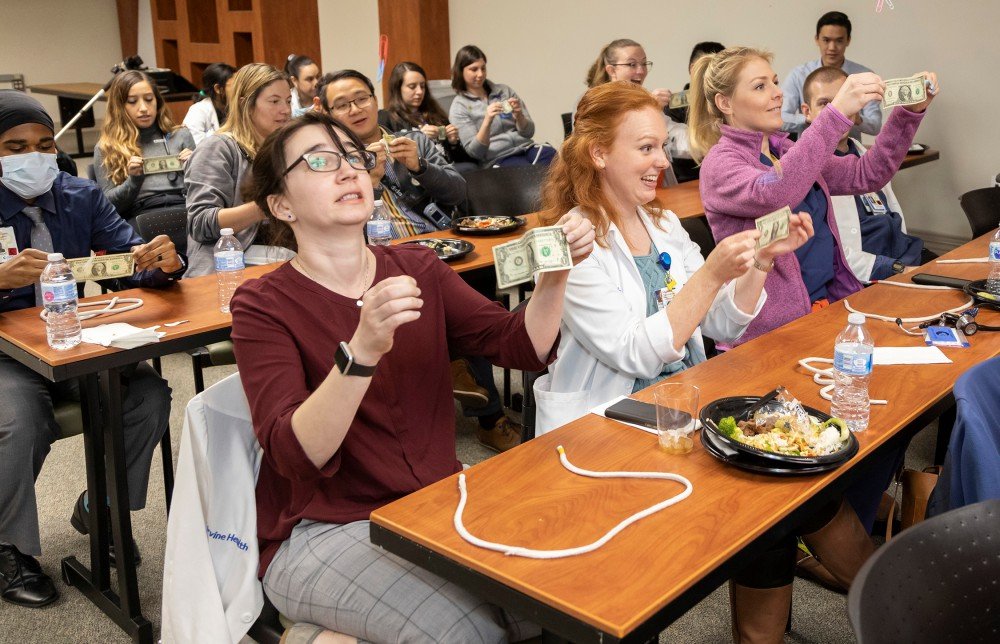
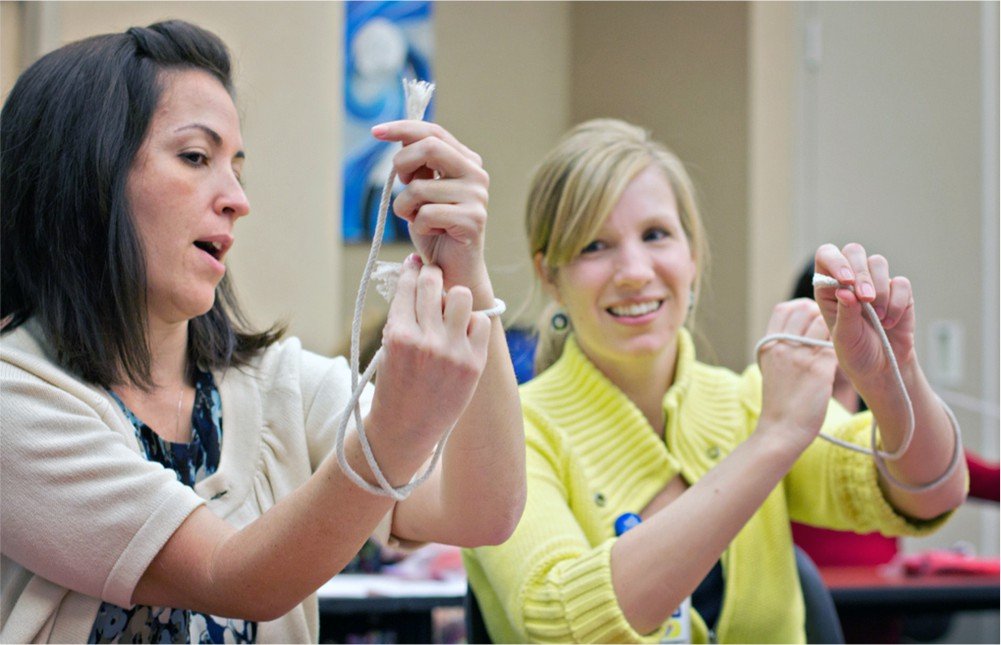
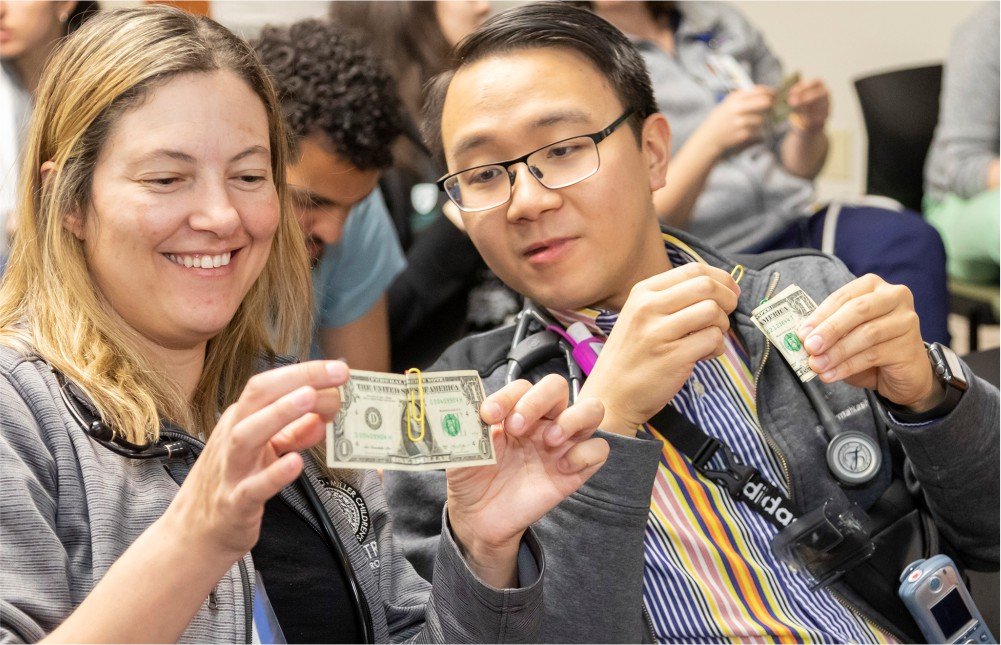
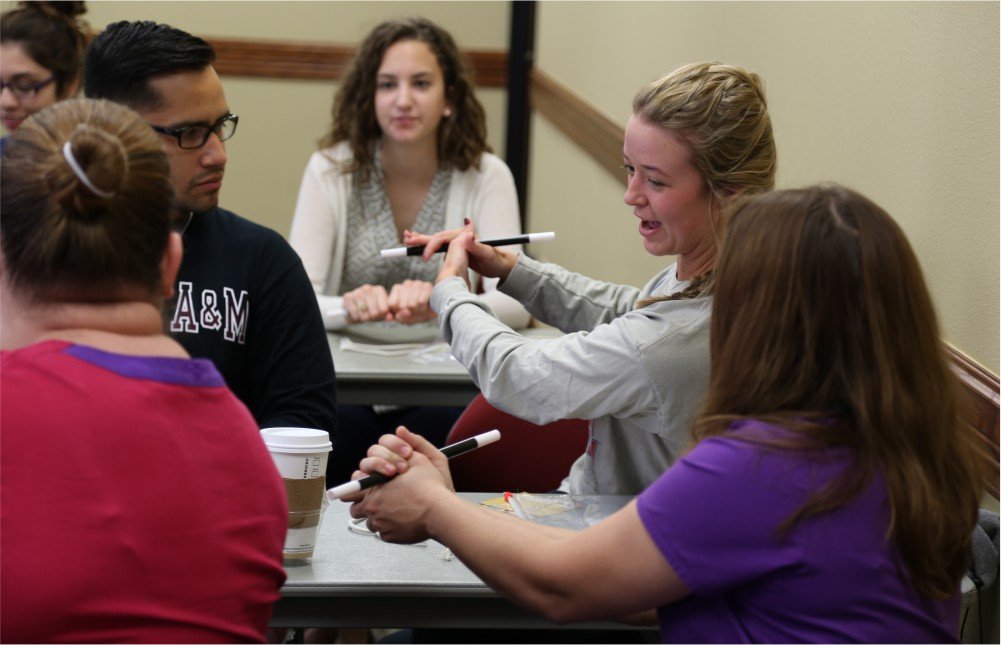
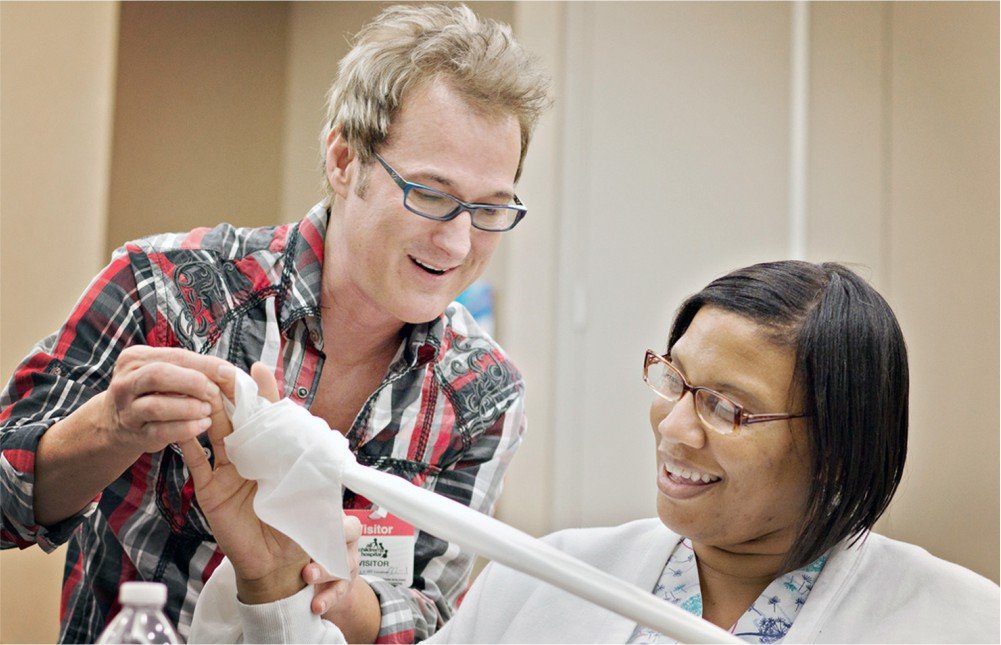
The MAGIC THERAPY™ workshop empowers the therapist with a valuable new tool to motivate their clients to become more involved in their treatment. The workshop is a hands-on, interactive learning experience and is grounded in the Model of Human Occupation. The applications address the entire spectrum to include developmental disabilities, mental health, physical disabilities, gerontology, and specific disease related deficits. The skills required to learn simple magic tricks help clients regain lost physical and cognitive skills while increasing motivational levels, confidence, and self- esteem.
Course Objectives:
Demonstrate an understanding of the therapeutic benefits of magic tricks in client treatment (cognitive, motor, perceptual, and social).
Distinguish which clients are appropriate for this type of treatment modality.
Evaluate and identify which magic trick(s) can be most beneficial to achieve a specific client goal.
Verify how to appropriately document this technique for insurance reimbursement
Create an individualized client-centered treatment program by analyzing and assessing the skills required to perform selected magic tricks.
CEU WORKSHOP
What You Will Learn:
The history and theoretical framework supporting the application of this technique in a clinical setting
A repertoire of simple magic tricks that can be used to address cognition, motor skills, communication, and social skills while developing creativity and flexible thinking.
Documentation and billing procedures for insurance reimbursement.
Magic Therapy Workshop Details
The Magic Therapy® workshop empowers therapists with a new tool to motivate their clients to become more involved in their treatment. The workshop offers a hands-on, interactive learning experience, grounded in the Model of Human Occupation. Incentive Theory of Motivation, Social Learning Theory, Motor Learning Theory, and the Theory of Occupational Adaptation. The applications address the entire spectrum to include developmental disabilities, mental health, physical disabilities, gerontology, and specific disease-related deficits. The skills required to learn simple magic tricks help clients regain lost physical and cognitive abilities while increasing motivation, confidence, and self-esteem.